

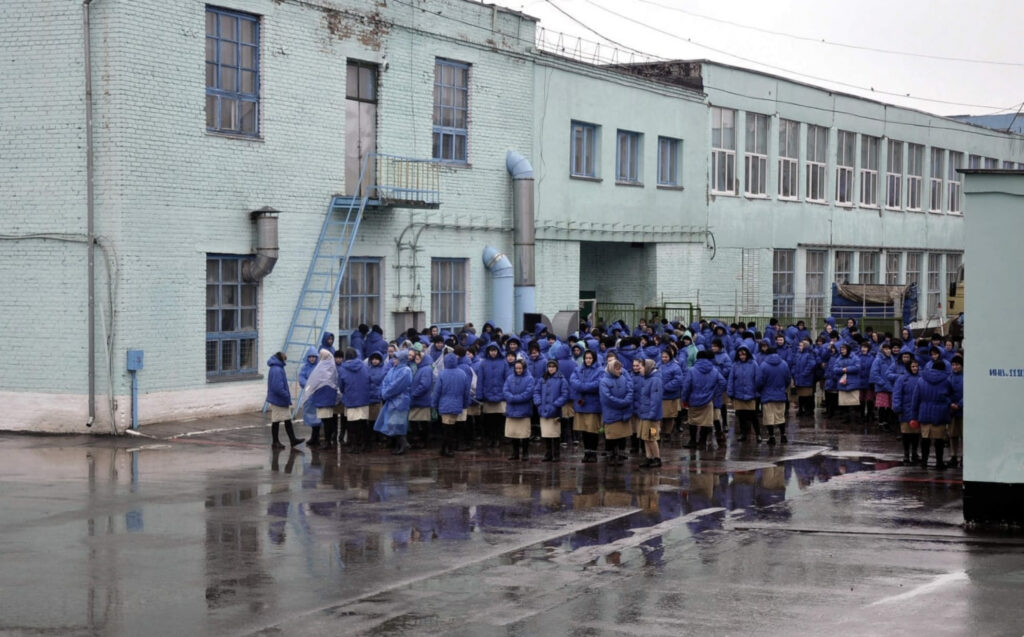
In the Belarusian penitentiary system, there is a so-called “Social Adaptation School” – a program intended to help people prepare for life after release. But can a few sessions before the end of a sentence truly reintegrate a person into society?
Two former political prisoners – Daria (name changed) and human rights defender at “Viasna” Marfa Rabkova – describe this system from different perspectives. Their stories do not contradict each other; on the contrary, together they illustrate why the current adaptation model is fundamentally dysfunctional.
“It Was Mostly for the Sake of Reporting”
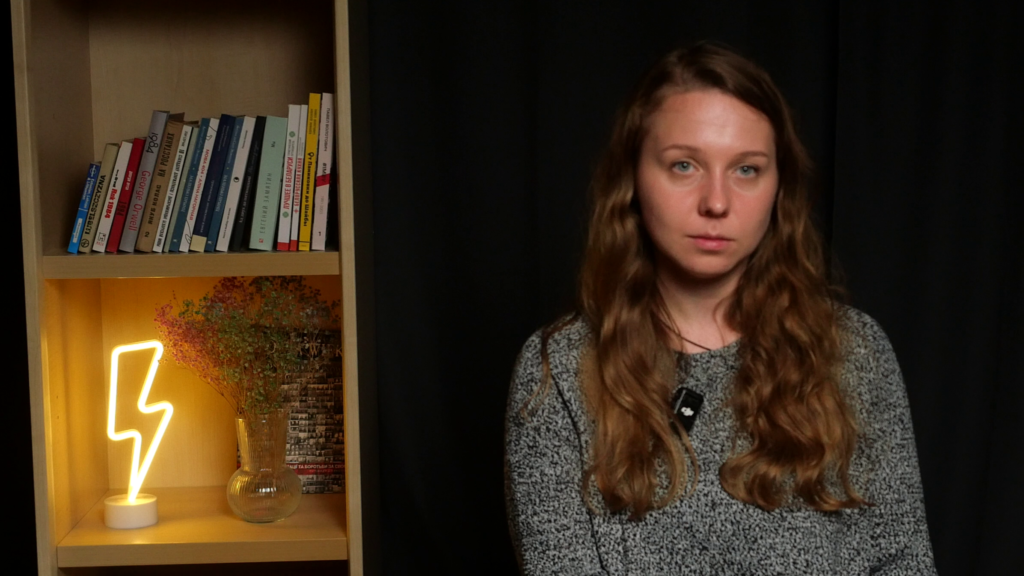
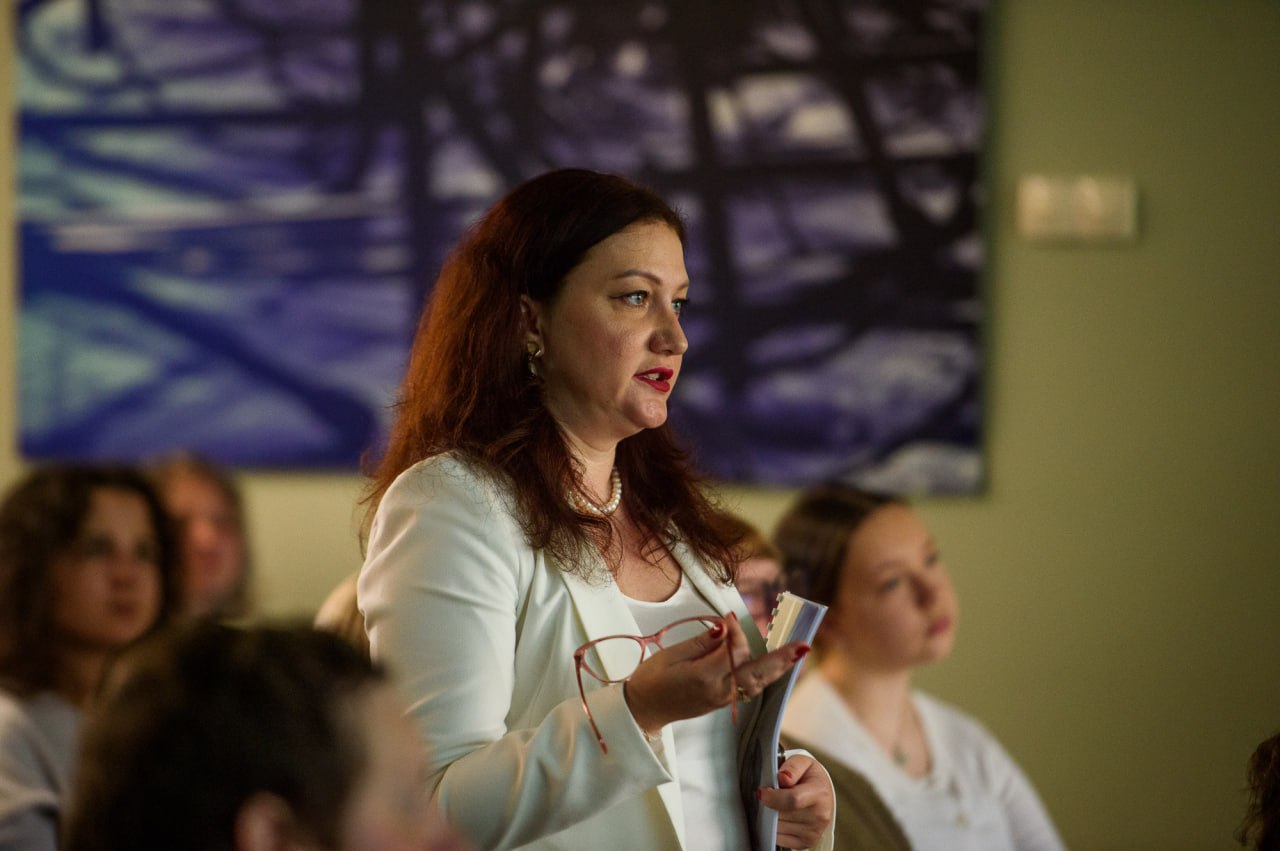
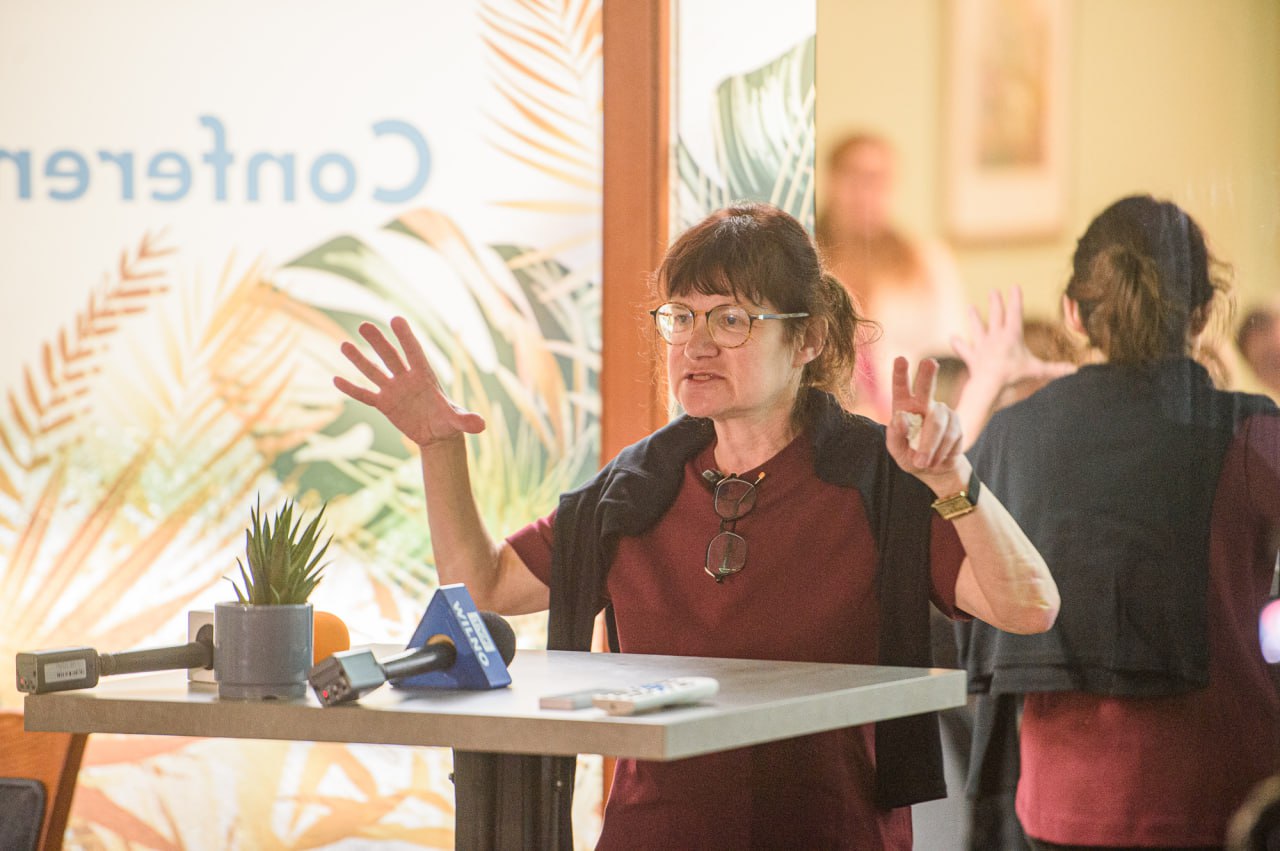
Marfa Rabkova. Photo by Max Morrisson
Marfa Rabkova served her sentence in Women’s Penal Colony No. 4 in Homieĺ. She confirms that the “Social Adaptation School” does exist. About six months prior to release, women would be gathered in the colony’s assembly hall once a week. According to Marfa, during these sessions, they were shown random videos downloaded from the internet and were given lectures and informal talks.
However, the main issue was that these classes were almost entirely disconnected from people’s real needs.
“I wish they had been of better quality. They showed us some videos found on the internet, but they didn’t always correspond to what people actually needed,” says Marfa Rabkova.
Another problem was the complete lack of an individualized approach. A single group could consist of women who had spent ten years in the colony alongside those who had arrived only a few months prior.
“People are just adapting to life in the colony, yet they are already being ‘adapted’ to freedom—a freedom they haven’t even had time to unlearn,” the former political prisoner explains.
In Marfa’s view, this indicated that the primary objective was not to prepare individuals, but simply to fulfill a administrative requirement: every unit had to send a specific quota of inmates to the sessions.
“They Didn’t Even Know Modern Everyday Life”
According to Marfa Rabkova, the shortcomings of this system were most apparent among women serving long sentences. She recalls meeting inmates who had never handled the new Belarusian currency following the redenomination, had no idea what social media was, and had never worked on a computer.
“People are terrified of going free. Out there, you have to think for yourself about where to live, where to work, and how to tell people about your past experience without them turning away from you,” says Marfa Rabkova.
This is why she believes genuine preparation must include up-to-date practical and digital skills, psychological support, and meaningful assistance with employment.
At the same time, Marfa notes that some positive initiatives have emerged in recent years, such as computer literacy classes, vocational training, job fairs, and even programming courses. However, these remain isolated projects rather than a comprehensive, systemic approach.
“Preparation for Freedom Requires More Than Three Meetings”
While Marfa focuses on what happens immediately prior to release, Daria offers a broader perspective on the issue. In her view, the fundamental flaw is that the state begins addressing adaptation only at the very end of a sentence. She recalls attending a few similar meetings before her release.
“They give you a lecture on the dangers of alcohol and the importance of mutual understanding in the family, and then you fill out a questionnaire. That is the extent of what the colony does before a person re-enters the world,” Daria shares.
She argues that the problem runs much deeper. Throughout their entire sentence, prisoners live in total information isolation: restricted contact with relatives, censorship of correspondence, lack of independent information, and minimal opportunity to maintain ties with the outside world. Therefore, a few lectures right before release cannot offset years of isolation:
“People who have spent five or ten years in a colony step outside and realize they are completely unprepared for life beyond the fence.”
Two Stories, One Problem
Both former political prisoners highlight different facets of the same system. Marfa demonstrates that the existing “Adaptation School” is overly formal and fails to account for genuine human needs. Daria explains why this issue cannot be fixed by a handful of meetings right before release: preparation for life after prison does not begin six months before the sentence ends – it must begin on day one of incarceration.
When a person spends years losing touch with family, the modern world, information, and independent living skills, it becomes impossible to restore them to normal life through a few short lectures.
This is precisely why resocialization must not be treated as a final checkbox before release, but as one of the core objectives throughout the entire period of incarceration. Otherwise, the “Social Adaptation School” remains nothing more than a title with little to no impact on how prepared a person truly is for life in freedom.