
Four years of imprisonment mean thousands of nights filled with the exact same dream: to simply embrace loved ones and return to a human life. The penitentiary system is designed to restrict, break, and turn a person into a submissive digit in yet another report. But beyond the official offices lies the most important thing—a person’s inner world and that which helps them not to break down during isolation. What does that very last night look like, when you know for certain that tomorrow the gates will open?
Joy Mingled with Anxiety
For political prisoners, the moment before release is not just a joyful expectation, but a time of the highest psychological tension. The joy of the final night in a cell always goes hand in hand with anxiety.
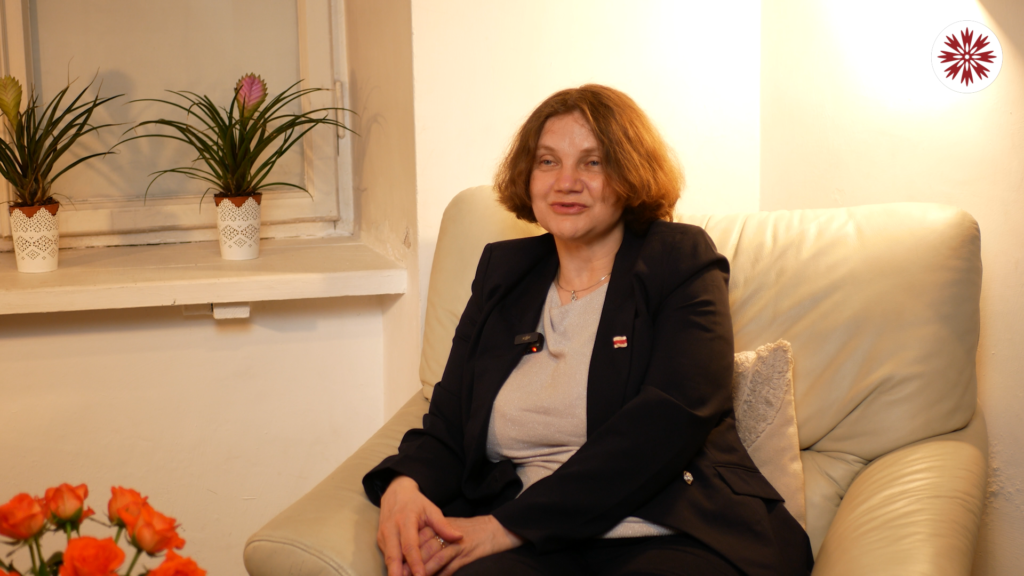
“It was a joyful night. The understanding that it was already the last one here. It was both joyful and anxious, and I couldn’t believe that it was finally happening. Is it finally over, so to speak?” recalls Palina Sharenda-Panasiuk. “And I prevailed, and the people who fought for me also prevailed, succeeded; we managed to, as it were, break this juggernaut, this situation. I dreamed of how I would walk out, how I would meet everyone—my family, my husband, my children, just people in general—and how to move forward.”
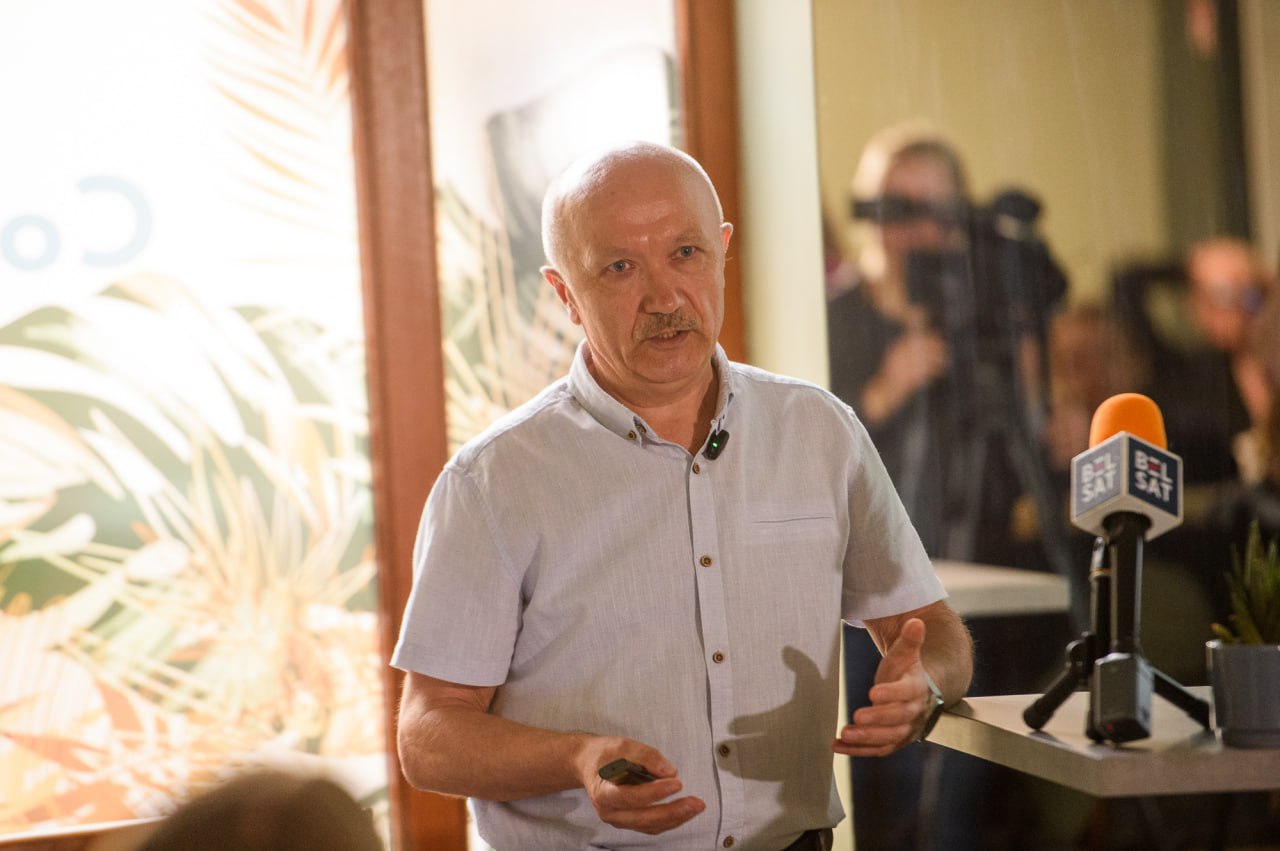
Physician and human rights defender Vasil Zavadski explains the psychological state of a person at this pivotal moment:
“One must understand the psychological state of a prisoner before release. It is a highly emotional, highly stressful situation. This is because a person has spent a long time in detention under conditions completely abnormal for a free person, where nothing depends on you, where you do not even fully belong to yourself—and tomorrow everything will change. Speaking of Palina specifically, we know that her prison sentence was extended more than once, and almost at the very last moment. Naturally, she, like any person, was worried that tomorrow there might be yet another ‘surprise’—a new sentence.”
According to the expert, one can only imagine the amount of stress a person is under. Even for those who know that there will be no issues, this state is simultaneously joyful and anxious.
“And what is there to say about people who have served long sentences, who face problems on the outside, and who do not know where to go or what they will eat in the first days after release? A person replays all of this in their head and ponders it,” says Vasil Zavadski.
The Physical Return of Reality: Without Wiretaps and Bars
And then, that moment arrives. The gates open, and the person steps toward freedom. The first thing that happens is the return of physical reality, which was forbidden behind bars. This is the moment when the cold glass that for years separated loved ones and stood in the way of normal human contact vanishes.
“I saw my mother,” Palina shares. “Whom I… I was finally able to just embrace her, because until then I had seen her either through glass or through bars. And even when she stood literally twenty centimeters away from me, I couldn’t even touch her. But here, I could finally embrace her.”
This is not just an emotional meeting; it is quite literally a physical reset of the body and mind after prison restrictions, the beginning of rebuilding one’s identity through the touch of loved ones.
“It is a return to life, to familiar movements, familiar gestures—simply walking wherever you want, turning however you want, sitting down however you want. Talking effortlessly there, knowing that there [won’t] be wiretaps, video cameras, informants, and various other people around. It was a very uplifting feeling,” says Palina.
The experience of political prisoners proves that simple human values—the opportunity to embrace a mother, a reunion with loved ones, and communication built on sincerity and optimism—ultimately turn out to be stronger than any repressive machines and prison walls.